
In the digital age of 2025, where clear communication is paramount for SEO and user engagement, understanding the precise meaning of words is non-negotiable. Few dilemmas illustrate this better than the common confusion surrounding verbage or verbiage. Is one a correct word and the other a mistake? Do they mean the same thing? This isn’t just a trivial spelling issue; using the wrong term can undermine your professionalism and obscure your message. This comprehensive guide will demystify verbage or verbiage, providing you with the knowledge to write with confidence and clarity.
Unraveling the Confusion: Verbiage vs. Verbage
Let’s address the most pressing question immediately: What is the correct spelling?
-
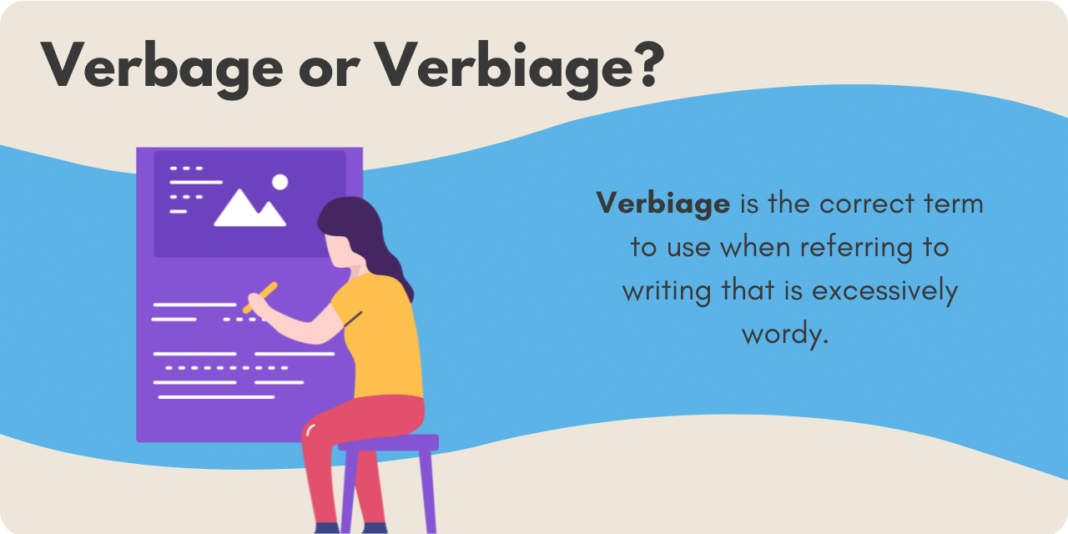
Verbiage is the correct and accepted word in the English language. It is found in all major dictionaries and is the term used in formal and professional writing.
-
Verbage is a common misspelling of verbiage. It is considered an error and is not recognized as a standard word by linguistic authorities.
The confusion between verbage or verbiage is a classic example of a “folk etymology” or misspelling that becomes widespread through frequent use. People often mishear “verbiage” and reinterpret it as “verbage,” likely because it seems to relate more directly to the word “verb.” However, this instinct is misleading. Understanding the correct term, verbiage, requires a deeper look into its definition and usage.
What is the Definitive Meaning of Verbiage?
The word verbage or verbiage (pronounced VUR-bee-ij) carries two primary definitions, one neutral and one overwhelmingly negative. The context in which it is used determines its meaning.
1. The Neutral Definition: Style or Diction of Wording
In its less common, neutral sense, verbiage simply refers to the manner or style in which something is expressed in words. It describes the choice of phrasing and language. For example:
-
“The legal document’s complex verbiage required a specialist to interpret.”
-
“The poet is known for her elegant and flowing verbiage.”
In these instances, verbiage is not inherently bad; it merely describes the character of the text.
2. The Negative Definition: Excessive and Superfluous Wording
This is by far the most common and potent usage of verbage or verbiage. It refers to an overabundance of words that are repetitive, unnecessary, and obscure the intended meaning. It’s the language of corporate jargon, bureaucratic red tape, and overly academic texts that prioritize sounding intelligent over being intelligible.
In 2025, where concise, user-focused content is king for SEO, avoiding negative verbiage is crucial. Google’s algorithms, like BERT and helpful content updates, increasingly prioritize content that is clear, helpful, and easy to read. Superfluous verbiage can harm your search rankings and drive users away.
Examples of this negative usage:
-
“Strip away the marketing verbiage, and the product’s core功能 is quite simple.”
-
“The manager’s report was full of so much verbiage that its main point was completely lost.”
-
“We need to cut the verbiage from this website copy and get to the value proposition faster.”
Why “Verbage” is Incorrect and How to Avoid the Mistake
Verbage is a phonological error—a mistake that arises from how the correct word sounds when spoken aloud. The “-iage” ending in “verbiage” can be misheard as a more common “-age” ending (as in “package” or “language”). This leads to the persistent and incorrect spelling of verbage.
A Simple Memory Trick to Get It Right
To ensure you always use the correct form, remember this trick: Think of “verbose,” which means “using more words than needed.” Both “verbiage” and “verbose” share the same root and the same “verbi-” beginning. If you can remember “verbose,” you can easily remember that verbage or verbiage is the correct spelling.
Incorrect: The contract’s confusing verbage was misleading.
Correct: The contract’s confusing verbiage was misleading.
The Critical Importance of Distinguishing verbage or verbiage in 2025
Why does this distinction matter so much today?
-
Professional Credibility: In business communication, emails, reports, and proposals, using the non-word “verbage” can mark you as inattentive to detail. Using the correct term, verbiage, signals professionalism and linguistic competence.
-
SEO and Digital Content: Search engines and users alike favor content that is clear, valuable, and easy to consume. Understanding that verbiage often means wordiness allows you to identify and eliminate it from your blog posts, product descriptions, and landing pages. This improves readability scores, user engagement, and ultimately, your search rankings.
-
Legal and Technical Clarity: In legal, technical, and academic fields, precision is everything. Misusing terms or adding unnecessary verbiage can lead to misinterpretation, disputes, and a loss of clarity. Using the correct language is a foundational element of effective communication in these sectors.
How to Identify and Eliminate Excessive Verbiage in Your Writing
Now that we’ve established that verbage or verbiage is the correct term and often refers to problematic wordiness, let’s discuss how to combat it. Here are key strategies for 2025:
-
Use AI Tools Wisely: Leverage AI-powered writing assistants like Grammarly or the Hemingway Editor. These tools are exceptionally good at flagging verbose sentences, passive voice, and complex phrases—the hallmarks of excessive verbiage.
-
Embrace the “Less is More” Philosophy: Challenge every word. Ask yourself: “Does this word add value? Can I say this more simply?” Cut filler words like “very,” “really,” “in order to,” “due to the fact that,” and “it is important to note that.”
-
Favor Active Voice: Passive voice often requires more words and feels weaker. Passive: The meeting was led by the manager. (5 words) Active: The manager led the meeting. (4 words)
-
Read Aloud: If you stumble over a sentence or have to take a breath before finishing it, it’s likely too long and filled with verbiage. Break it down into shorter, more impactful statements.
-
Focus on the User: Always write for your audience’s comprehension. Prioritize clarity over the desire to sound impressive. The most effective writing in 2025 is writing that is easily understood.
Conclusion: Clarity Triumphs Over Confusion
The choice between verbage or verbiage is clear. verbage or verbiage is the correct word, with meanings ranging from a neutral description of wording to a powerful critique of unnecessary wordiness. verbage or verbiage is a common error to be avoided.
Mastering this distinction is a small but significant step toward becoming a more effective communicator. In 2025, the ability to convey ideas with precision and conciseness is a superpower. By choosing the right words and eliminating the excess, you build trust, enhance understanding, and ensure your message isn’t just seen—but truly heard. Let your writing be known for its value, not its verbiage.