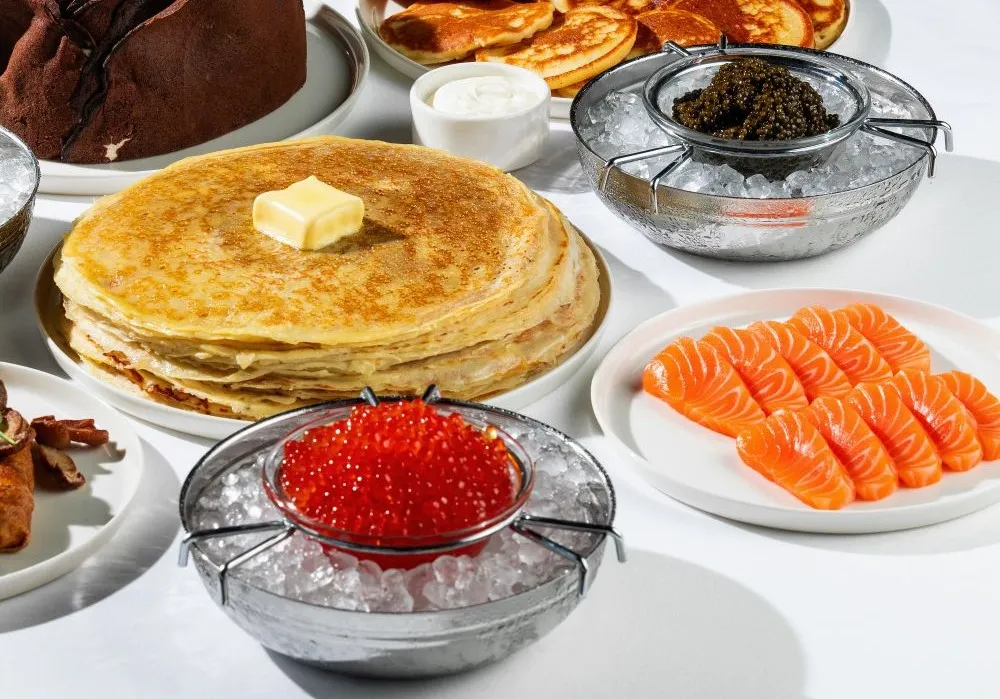

In a world of fleeting food trends and hyper-fusion cuisine, some culinary creations possess an enduring magic that transcends time. The crêpe, a simple, elegant, and impossibly thin pancake from France, is one such marvel. As we move through 2025, the crêpas is not just surviving; it’s thriving, evolving from a street-food staple and classic dessert into a canvas for global flavors, health-conscious innovations, and cutting-edge culinary technology. This is more than a food; it’s a story of culture, versatility, and connection, folded into a delicate, golden package.
Whether you savor it sweet or savory, at a bustling Parisian marché or from a sleek urban food truck, the crêpas continues to capture our imagination. This comprehensive guide will journey through the world of crêpes in 2025, exploring its rich history, its exciting present, and its promising future, equipping you to appreciate, make, and enjoy this timeless dish like never before.
A Brief History: From Ancient Grain to French Icon
To understand the crêpas future, we must first appreciate its past. The story of the crêpe begins not in France, but in the ancient world. Evidence of flat, pancake-like foods made from grain and water dates back over 12,000 years. However, the crêpe as we know it found its spiritual home in the northwestern region of Brittany (Bretagne).
In the 13th century, Brittany’s rocky terrain was better suited for growing buckwheat than wheat. Introduced from Asia, this hardy grain (which is actually a seed) became the foundation for the first true crêpes. These original buckwheat crêpas, known as galettes, were a hearty, nutritious meal for the working class—savory, gluten-free, and packed with sustenance.
The sweet white crêpe, made with refined wheat flour, milk, and eggs, emerged later as a luxury for the wealthy. The distinction was born: galettes de sarrasin (savory) and crêpes de froment (sweet). This duality is the very heart of the crêpe’s enduring appeal.
The Crêpe Universe: Understanding the Core Types
Not all crêpas are created equal. In 2025, knowing your base is the first step to culinary enlightenment.
1. The Galette (Savory Buckwheat Crêpe)
-
Base: 100% buckwheat flour, water, salt, and sometimes an egg for binding.
-
Characteristics: Earthy, nutty flavor, slightly grainy texture, and a distinctive greyish-brown color.
-
Modern Use: The preferred vehicle for savory fillings. Its robust flavor and sturdier structure hold up beautifully to cheeses, meats, eggs, and vegetables. It remains a gluten-free powerhouse.
2. The Crêpe de Froment (Sweet Wheat Crêpe)
-
Base: Wheat flour, milk, eggs, butter, a pinch of salt, and often a touch of sugar or vanilla.
-
Characteristics: Light, delicate, slightly sweet, and tender with a lacy, golden-brown surface.
-
Modern Use: The classic dessert crêpas. It’s designed to be a vehicle for sweet delights like Nutella, fruit compotes, whipped cream, and ice cream.
The 2025 Crêpe Kitchen: Innovation Meets Tradition
The tools of the trade have evolved, making perfect crêpas more accessible than ever.
-
The Traditional Billig/Bilig: The iconic round, flat griddle made of cast iron or steel. Heated over a flame, it’s the tool of choice for purists and professional crêpiers. It provides unparalleled, even heat distribution for that perfect, thin spread.
-
The Modern Crêpe Maker: Electric non-stick plates have become incredibly sophisticated. In 2025, smart crêpe makers with precise digital temperature controls and even automated spreading mechanisms are entering the home market, taking the guesswork out of the process.
-
The Spreaders (Racloires/Râteaux): The wooden T-shaped spreader is still the best tool for achieving that legendary thinness. Modern versions in silicone and other heat-resistant materials are also popular.
-
The Spatula (Spattle): A long, thin, offset spatula is essential for the all-important flip. Look for flexible yet sturdy models that can slide effortlessly under the delicate crêpe.
The Art of the Perfect crêpas: A 2025 Masterclass
Creating a flawless crêpe is a satisfying skill. Follow these steps for foolproof results.
Step 1: Crafting the Perfect Batter
The secret is in the rest. A simple batter of flour, liquid, and eggs is transformed by time. Whisk your ingredients until just smooth—a few lumps are okay. Crucially, let the batter rest in the refrigerator for at least 1 hour, or ideally overnight. This allows the flour granules to fully hydrate, the gluten to relax (resulting in a tender crêpe), and any bubbles to dissipate, ensuring a seamless, hole-free texture.
Step 2: Mastering the Heat and Swirl
Your pan is your dance partner. Heat your billig or non-stick skillet over medium heat. Lightly grease it with butter or a neutral oil. The key is to work quickly:
-
Pour a small ladleful of batter into the center of the hot pan.
-
Immediately lift the pan and tilt and rotate it in a circular motion, allowing the batter to spread outwards into a thin, even circle.
-
This entire process should take just a few seconds. If the batter sets before you’re done swirling, your pan is too hot; if it doesn’t set quickly enough and pools, it’s too cold.
Step 3: The Flip and The Finish
Cook the crêpe for about 60-90 seconds until the edges begin to brown and lift away from the pan. Slide your spatula underneath to check for a golden-brown surface. Then, the moment of truth: the flip. You can use the spatula or, for the brave, a confident flick of the wrist. Cook for another 30-60 seconds on the second side. Slide it onto a plate and repeat!
The Global crêpas: A Culinary Passport on a Plate (2025 Trends)
The most exciting evolution of the crêpe in 2025 is its role as a global flavor fusion vehicle. Chefs and home cooks are using the crêpe as a blank slate for culinary creativity.
Savory Sensations (Beyond the Classic Ham & Cheese):
-
The Mediterranean: Whipped feta, roasted red peppers, Kalamata olives, fresh spinach, and a drizzle of tzatziki.
-
The Asian-Inspired: Five-spice roasted duck, hoisin sauce, sliced scallions, and crunchy cucumbers.
-
The Garden Harvest (Vegan): Cashew-based ricotta, seasonal roasted vegetables (zucchini, eggplant, mushroom), and a basil pesto swirl.
-
The Breakfast Galette: A soft-cooked egg, sharp cheddar, avocado, and a sprinkle of everything bagel seasoning.
Sweet Revolutions (Beyond Nutella & Banana):
-
The Tropical Escape: Coconut pastry cream, fresh mango and passion fruit, toasted coconut flakes, and a lime zest garnish.
-
The “Everything Nice” (Aesthetic Crêpes): Matcha-infused whipped cream, fresh berries, edible flowers, and a dusting of powdered sugar for a social media-ready treat.
-
The Decadent Delight: Salted caramel sauce, sliced apples sautéed in butter and cinnamon, and a scoop of vanilla bean ice cream.
-
The Healthy Indulgence: Almond butter, fresh raspberries, a drizzle of local honey, and a sprinkle of chia seeds.
Health & Wellness: The Crêpe Gets a Nutritious Makeover
The 2025 consumer is more health-conscious than ever, and the crêpas has adapted beautifully.
-
Alternative Flours: Buckwheat’s natural gluten-free status has paved the way for other alternative flours like oat, almond, chickpea, and even cricket flour (a sustainable protein source) to enter the crêpe scene.
-
Gut-Friendly Fermentation: Inspired by traditions like Ethiopian injera, fermented batters are gaining traction. A naturally fermented batter made with a sourdough starter or kefir adds beneficial probiotics and a complex, tangy flavor.
-
Clean-Label Fillings: The focus is shifting towards whole-food fillings: sugar-free fruit compotes, homemade nut butters, organic dairy, and plant-based proteins, moving away from processed spreads and sugary syrups.
The Crêpe Economy 2025: From Street Corners to Cloud Kitchens
The business of crêpas is booming in innovative ways.
-
Gourmet Food Trucks & Stalls: Artisanal crêpas on wheels are a fixture at farmers’ markets and urban food pod, offering high-quality, locally-sourced, and creatively filled crêpes.
-
The Rise of Ghost Crêperies: Leveraging delivery-app ecosystems, dedicated “ghost kitchen” crêperies are thriving, focusing solely on perfecting a delivery-friendly menu that travels well.
-
DIY Kits & Experiences: Subscription boxes and local culinary workshops offering crêpe-making kits and classes have become a popular way to bring the experience home, catering to the desire for hands-on cooking and entertainment.
A Taste of Tomorrow: The Future of Crêpes
Looking ahead, the crêpas evolution shows no signs of slowing down.
-
3D-Printed Crêpes? While still niche, the concept of food printers using batter to create intricate, lace-like crêpe designs for high-end gastronomy is being explored.
-
Hyper-Personalization: Apps and kiosks that allow you to design your crêpe with exact nutritional specifications, allergen avoidance, and flavor preferences could become the norm.
-
Sustainability Focus: The emphasis will grow on zero-waste crêperies, using every part of the ingredient (e.g., fruit skins for syrups) and sourcing from regenerative local farms.
Your crêpas Journey Awaits
The humble crêpas is a testament to the power of simple, good food. It is a dish that respects its history while eagerly embracing the future. It can be a quick meal, a shared dessert, a creative project, or a gourmet experience. In 2025, it is all these things and more.
So, the next time you see that circular griddle heating up, know that you’re witnessing a piece of living history—one that is constantly being rewritten with every new swirl of batter, every innovative filling, and every joyful bite. Grab a spatula, experiment with flavors, and become part of the crêpe’s delicious, ongoing story.